
Drew Weber · 7 October 2026
Visitor Pathway Analysis for Self-Operated Web Resources
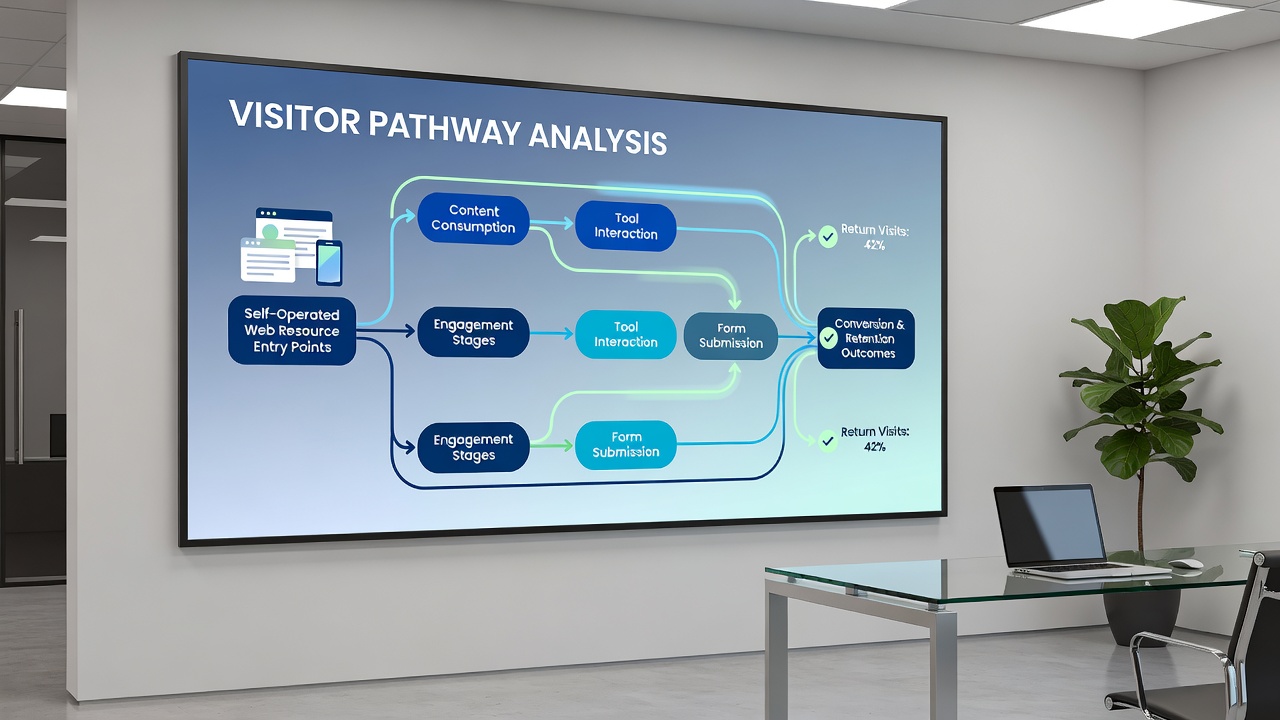
Visitor pathway analysis examines how individuals move through pages and sections on independently managed websites, tracking sequences from initial entry points to final actions such as form submissions or content downloads. Self-operated web resources rely on this method to map navigation patterns without depending on third-party hosting services, allowing operators to adjust site structures based on observed flows. Data collection typically involves server logs, JavaScript-based tracking scripts, and session identifiers that record timestamps along with page views while maintaining compliance wth regional data protection standards.
Core Components of Pathway Mapping
Pathway mapping begins with identification of entry sources including direct URLs, search referrals, and external links, then follows progression through internal navigation menus, search functions, and related content recommendations. Operators segment these routes by device type, geographic origin, and time of visit to reveal patterns such as high drop-off rates at checkout stages or repeated returns to resource libraries. Tools like self-hosted analytics platforms provide session replay features that reconstruct individual journeys without transmitting data to external servers, which supports privacy-focused operations on smaller sites.
Researchers have noted that combining quantitative metrics with qualitative feedback forms yields clearer pictures of why certain paths succeed while others stall. For instance, funnel visualization displays completion percentages at each step, highlighting bottlenecks where visitors abandon sequences, and heatmaps illustrate click distributions across layouts. These elements together enable adjustments to menu hierarchies or content placement that align with documented user behaviors.
Data Sources and Measurement Techniques
Server-side logs supply raw access data including IP addresses, user agents, and referral strings that form the foundation for reconstructing pathways, while client-side scripts add details on scroll depth, mouse movements, and interaction durations. Self-operated setups often integrate open-source solutions that store information locally, reducing reliance on commercial services and allowing customization of retention periods to match internal policies. Studies from institutions such as the Pew Research Center have documented variations in pathway lengths across different website categories, showing shorter sequences on informational sites compared to e-commerce platforms.
Segmentation by traffic source reveals distinctions between organic search visitors who explore multiple sections and direct visitors who target specific resources immediately. Event tracking records actions like downloads or video plays that occur outside standard page loads, creating comprehensive timelines of engagement. As of October 2026, updates to browser privacy features have prompted many independent operators to adopt first-party cookies and server-side tagging methods that maintain data accuracy while respecting user consent preferences across jurisdictions.
Privacy and Regulatory Considerations
Independent website operators must align pathway analysis practices with regulations such as those outlined by the European Data Protection Board and similar frameworks in other regions, ensuring that personal identifiers receive appropriate anonymization before storage or analysis. Consent mechanisms appear at entry points to inform visitors about tracking purposes, with options to opt out that deactivate non-essential scripts without disrupting core functionality. Documentation from the Organisation for Economic Co-operation and Development indicates that transparent data handling correlates with sustained visitor trust across self-operated platforms operating in multiple countries.
Regular audits review collected datasets for unnecessary fields and verify that retention schedules comply with local requirements, preventing accumulation of outdated records that could compromise security. Self-operated environments benefit from full control over these processes, enabling direct implementation of changes without external vendor dependencies.
Practical Applications Across Site Types
Educational resource sites apply pathway analysis to optimize sequences leading to course enrollment pages, identifying which preparatory materials precede successful registrations most frequently. Portfolio websites for freelancers track how visitors progress from project galleries to contact forms, adjusting thumbnail arrangements based on observed click-through sequences. Community forums examine thread navigation patterns to surface popular discussion branches and reduce exit rates from main index pages.
These applications demonstrate consistent use of pathway data to refine information architecture while preserving the independent operational model that defines self-managed resources. Iterative testing compares pathway metrics before and after layout modifications to quantify improvements in completion rates and time spent on target sections.
Conclusion
Visitor pathway analysis supplies self-operated web resources with structured insights into navigation behaviors that support targeted refinements to content organization and interface design. Through systematic collection of entry-to-action sequences and adherence to privacy standards, operators maintain effective oversight of site performance while adapting to evolving browser capabilities and regulatory expectations observed through October 2026.