Sofia Weber · 23 September 2026
The Hidden Mechanics of Audience Retention on Solo-Run Digital Platforms
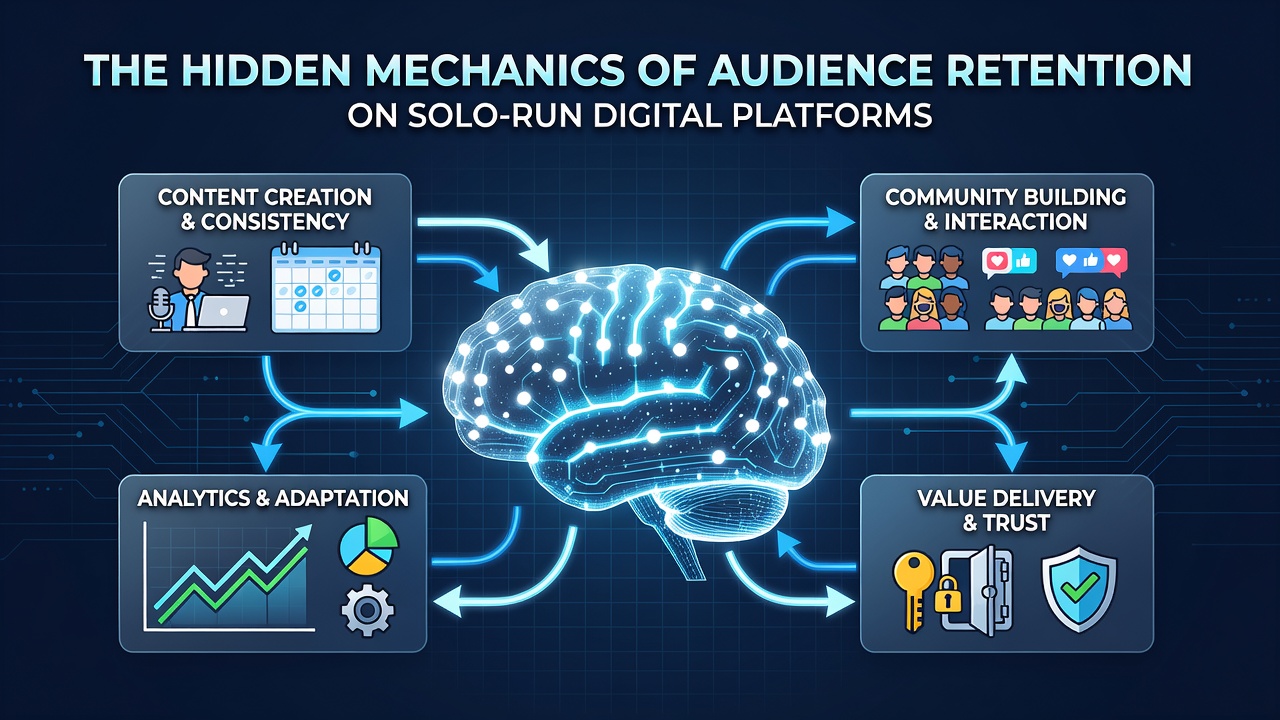
People who operate solo digital platforms often track retention through layered data points that include session duration, return visit frequency, and content completion rates, while researchers have noted that these metrics interact in ways that extend beyond basic analytics dashboards. In September 2026, platform operators reported shifts in how independent sites and channels measured sustained audience interest, particularly as direct email lists and personal websites gained ground against larger networks. Observers note that solo creators rely on tools like heatmaps and scroll-depth tracking to identify where users disengage, and data from multiple studies shows these methods reveal patterns tied to content pacing rather than isolated post performance.
Algorithmic Factors in Retention
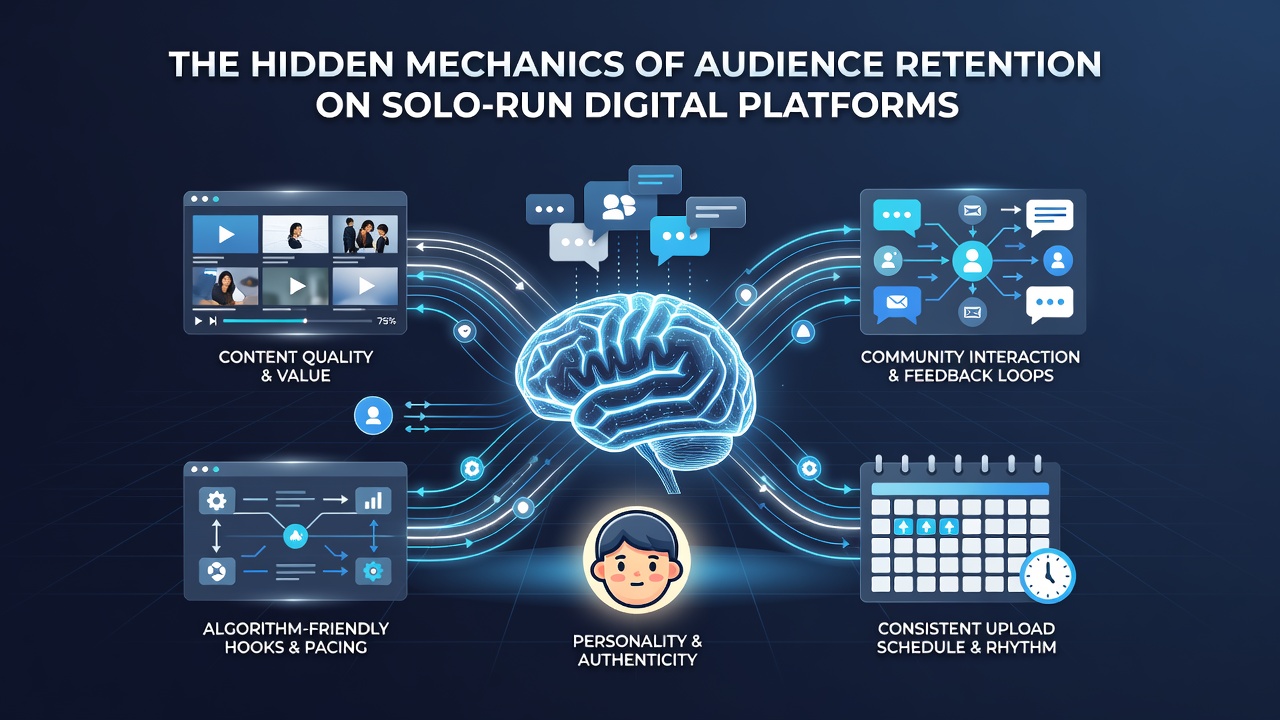
Platform algorithms on sites such as independent video channels or newsletter services prioritize repeat engagement signals, and researchers discovered that factors like consistent upload schedules combined with topic clustering influence how often users return without external prompts. Those who maintain solo operations frequently adjust posting cadences based on internal metrics, since evidence suggests that irregular timing leads to higher churn even when content quality remains steady. But here's the thing: the underlying recommendation systems often weigh cumulative interaction history over single high-performing pieces, which means creators must balance evergreen material with timely updates to sustain visibility in feeds.
Studies found that email open rates on solo-run newsletters correlate with subject-line testing and send-time optimization, while figures reveal that segmentation by past behavior improves long-term subscriber activity compared to uniform blasts. Experts have observed that these mechanics operate differently on self-hosted platforms versus hosted services, because direct control over data allows finer adjustments without third-party restrictions.
Content Structure and User Pathways
Effective retention on solo platforms frequently stems from internal linking strategies that guide users through related material, and one study revealed that readers who follow such pathways exhibit longer overall site dwell times. Observers note that creators who embed calls to related posts or series within individual articles create loops that encourage deeper exploration, whereas scattered standalone content tends to produce one-and-done visits. What's interesting is how multimedia elements like embedded audio clips or simple infographics can extend time on page when integrated at natural breakpoints rather than as afterthoughts.
People who run these operations often experiment with series formats because data indicates sequential content increases return probability more reliably than random topic selection. Researchers discovered that narrative continuity across posts or episodes builds familiarity, which in turn reduces the cognitive load for audiences deciding whether to continue following a single-person output.
Direct Feedback and Iteration Loops
Solo operators gather retention insights through comment analysis, survey responses, and unsubscribe reasons, and evidence suggests that systematic review of these inputs leads to measurable improvements in subsequent content alignment. According to data shared by the Pew Research Center, audiences on independent platforms respond positively when creators address recurring questions in follow-up material. But here's the thing: without dedicated teams, individuals must prioritize which feedback threads to pursue, and this selection process itself shapes retention outcomes over months or years.
Academic reports from the European Audiovisual Observatory highlight how small-scale digital creators in various regions use open-source analytics to replicate enterprise-level segmentation, while figures show that even modest A/B testing on headlines or thumbnails yields retention lifts. Those who've studied this know that the absence of corporate oversight allows faster iteration, though it also demands consistent self-discipline to avoid overlooking gradual audience drift.
Cross-Platform and Off-Site Influences
Retention mechanics extend beyond a single site or channel when solo operators maintain presence on secondary platforms that funnel users back to owned assets, and industry reports indicate that coordinated cross-promotion strengthens loyalty when messaging remains consistent. People often find that sharing snippets or previews on external networks works best when those teasers point directly to deeper original material rather than generic landing pages. What's significant is that email lists built through these methods demonstrate higher retention rates because subscribers have already self-selected for ongoing interest.
According to findings from the Australian Communications and Media Authority, regional differences appear in how audiences engage with solo digital content, with variations in preferred delivery formats influencing long-term interaction. Observers note that creators who adapt to these preferences without overextending their production capacity maintain steadier retention curves.
Conclusion
The hidden mechanics of audience retention on solo-run digital platforms revolve around interconnected data practices, algorithmic awareness, and iterative content decisions that together determine whether initial interest converts into sustained engagement. Research indicates that operators who treat retention as a cumulative process rather than a series of isolated metrics achieve more stable audience bases over time. As platform landscapes continue evolving, those who monitor these mechanics through direct observation and controlled adjustments position their independent operations for continued relevance.